Smarter Final-Mile Movement: Shortcut Optimization for Scooters and Bikes
Why Shortcuts Matter in Dense Cities
Data Foundations: Mapping the Invisible Paths

Algorithms That Respect Reality
01
Multi-Objective Cost Functions Riders Actually Feel
We combine elements like expected wait at crossings, grade penalty, surface vibration score, conflict density, and privacy-friendly popularity into a single, tunable objective. Penalizing frequent hard stops and sharp zigzags preserves flow. Rewarding protected space or calm streets promotes comfort. Since contexts vary by city, profiles adapt per neighborhood. Feedback loops let riders nudge preferences toward scenic paths or the absolute fastest line, while safeguards prevent suggestions through spaces that compromise safety, courtesy, or local compliance expectations.
02
Real-Time Re-Routing Without Abrupt Whiplash
Pop-up closures, delivery trucks blocking lanes, or sudden rain demand nimble, calm adjustments. Instead of jarring recalculations, we use hysteresis and gentle thresholds that prefer stability unless a clear improvement emerges. Short previews show the detour’s benefits before committing. Context-aware voice prompts announce changes early, avoiding last-second swerves. When conditions normalize, routes softly return to the original plan if it still serves better. The goal is confidence and composure, not a twitchy algorithm constantly second-guessing every intersection.
03
Uncertainty, Confidence, and Human Overrides
Maps can be wrong about gates, construction, or new bollards. We expose uncertainty through subtle cues—confidence bars, alternate suggestions, and quick-report buttons. If a path is questionable after 10 p.m., the app can preemptively offer a brighter, slightly longer option. Riders remain in control, and every correction improves the model for others. This respectful loop turns occasional surprises into learning moments, reducing future uncertainty while reinforcing trust that algorithms serve humans, not the other way around.
Safety, Compliance, and Street Etiquette
Conflict-Aware Scoring Near Doors, Driveways, and Crosswalks
Geofences Without Dead Ends
Human-Centered Prompts that Coach, Not Scold
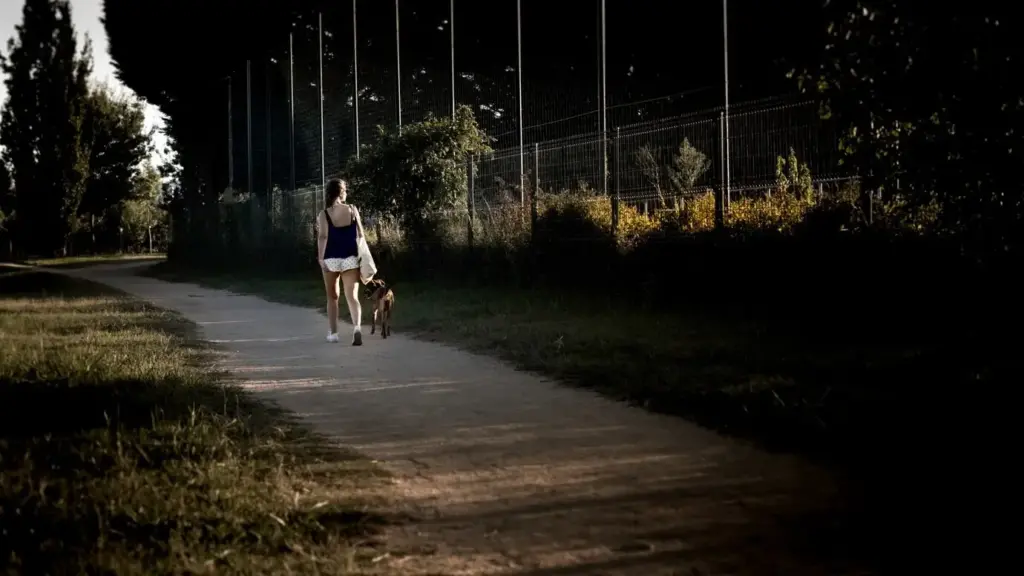

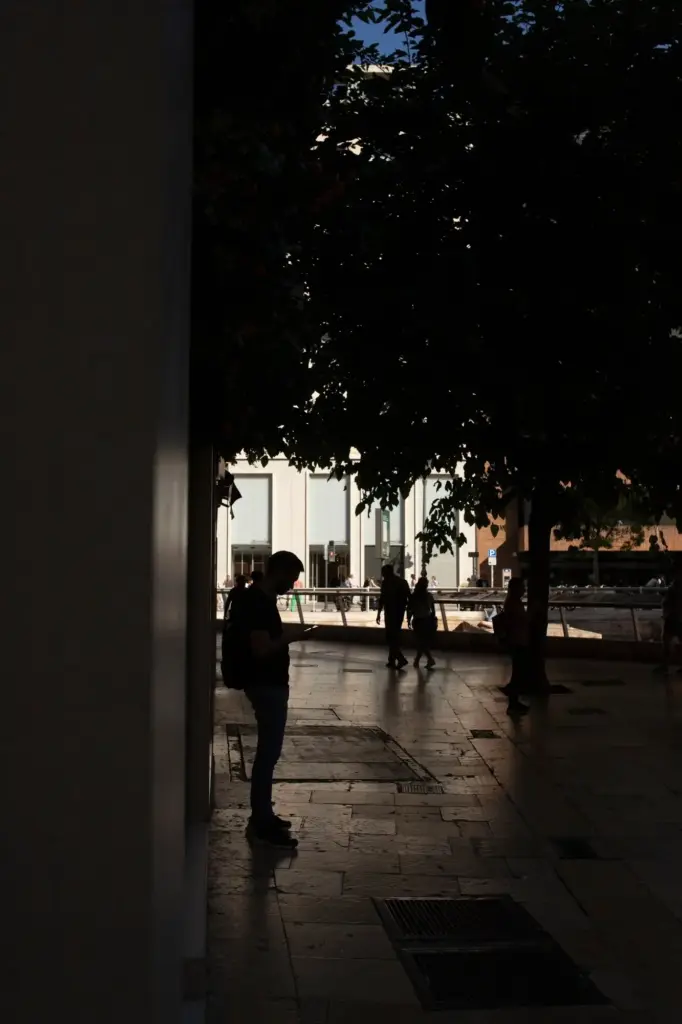

Rainy Tuesday: Puddles, Paint, and Patience
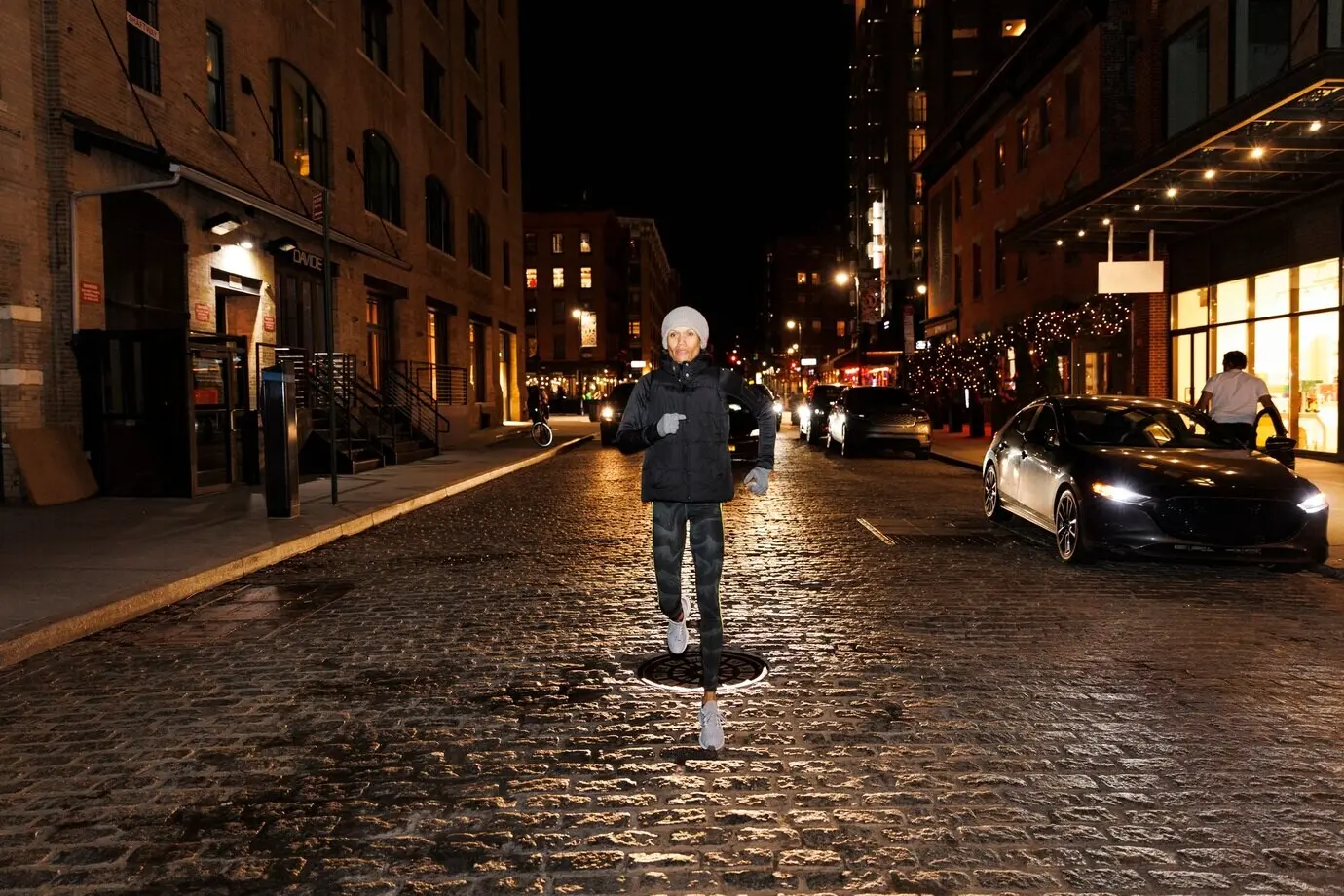
Saturday Groceries on a Cargo E‑Bike


All Rights Reserved.