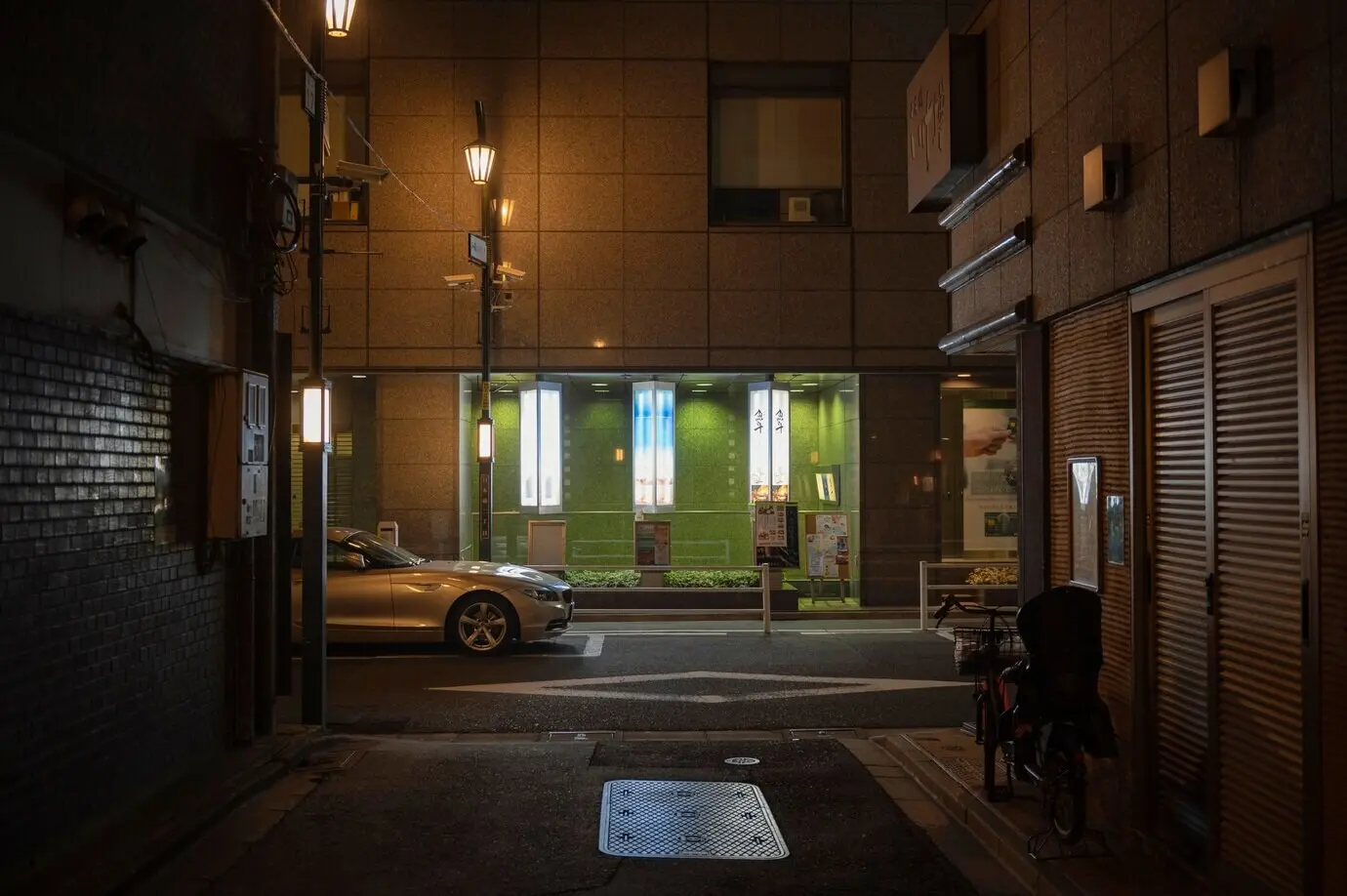
Desire Lines and the City’s Unwritten Paths
Urban planners talk about desire lines: the informal traces feet leave when people choose efficiency over formality. Our shared map captures those lines respectfully, translating lived knowledge into precise segments, entrances, and timings that reflect real habits rather than idealized drawings.
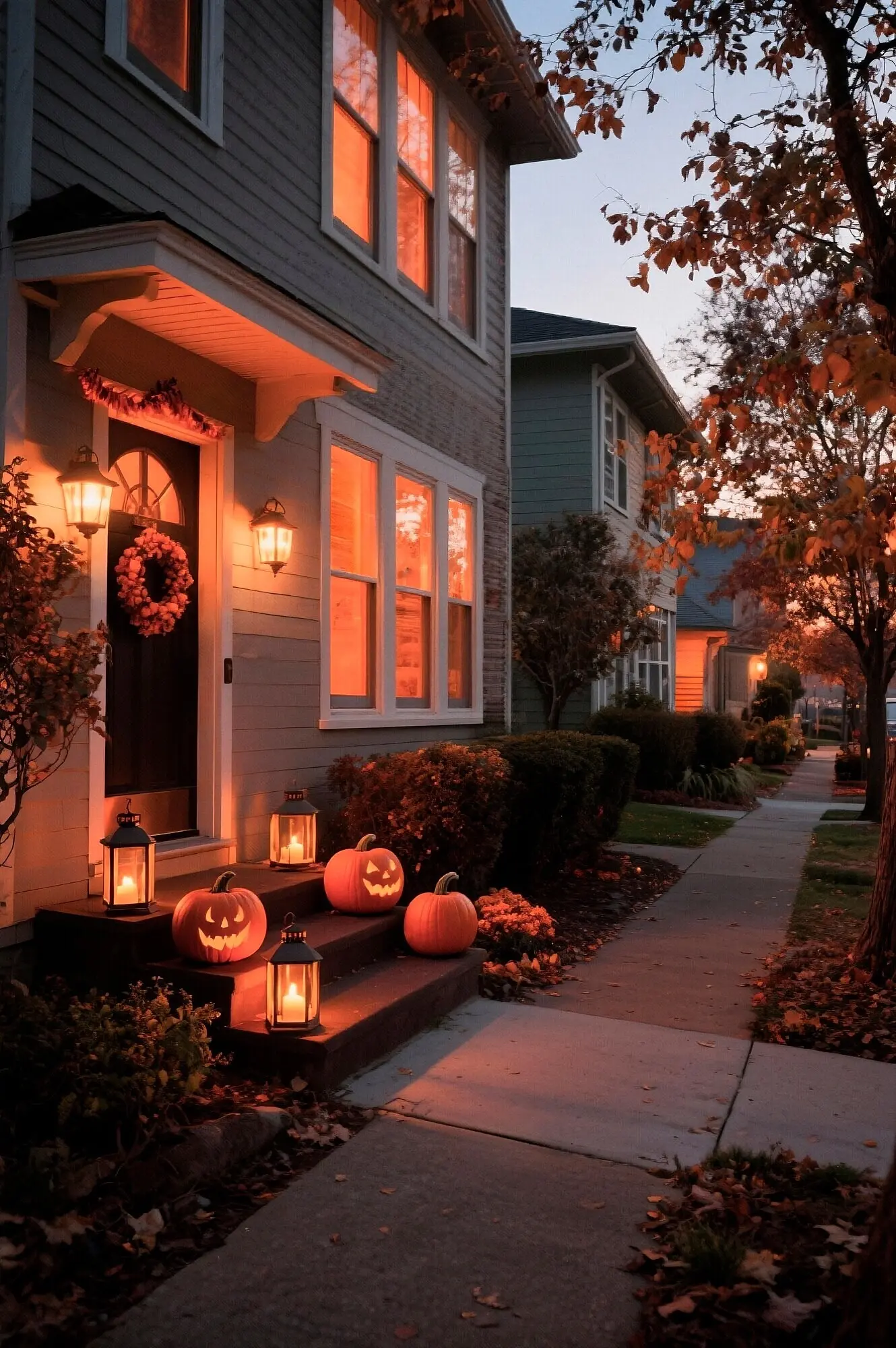
A Commuter’s Ten-Minute Miracle
Ask Nadia, who shaved ten minutes off her evening walk by slipping through a grocery arcade and a hospital courtyard that public signs never advertised. She mapped both with photos, hours, and lighting notes, and hundreds now enjoy calmer, quicker connections home.
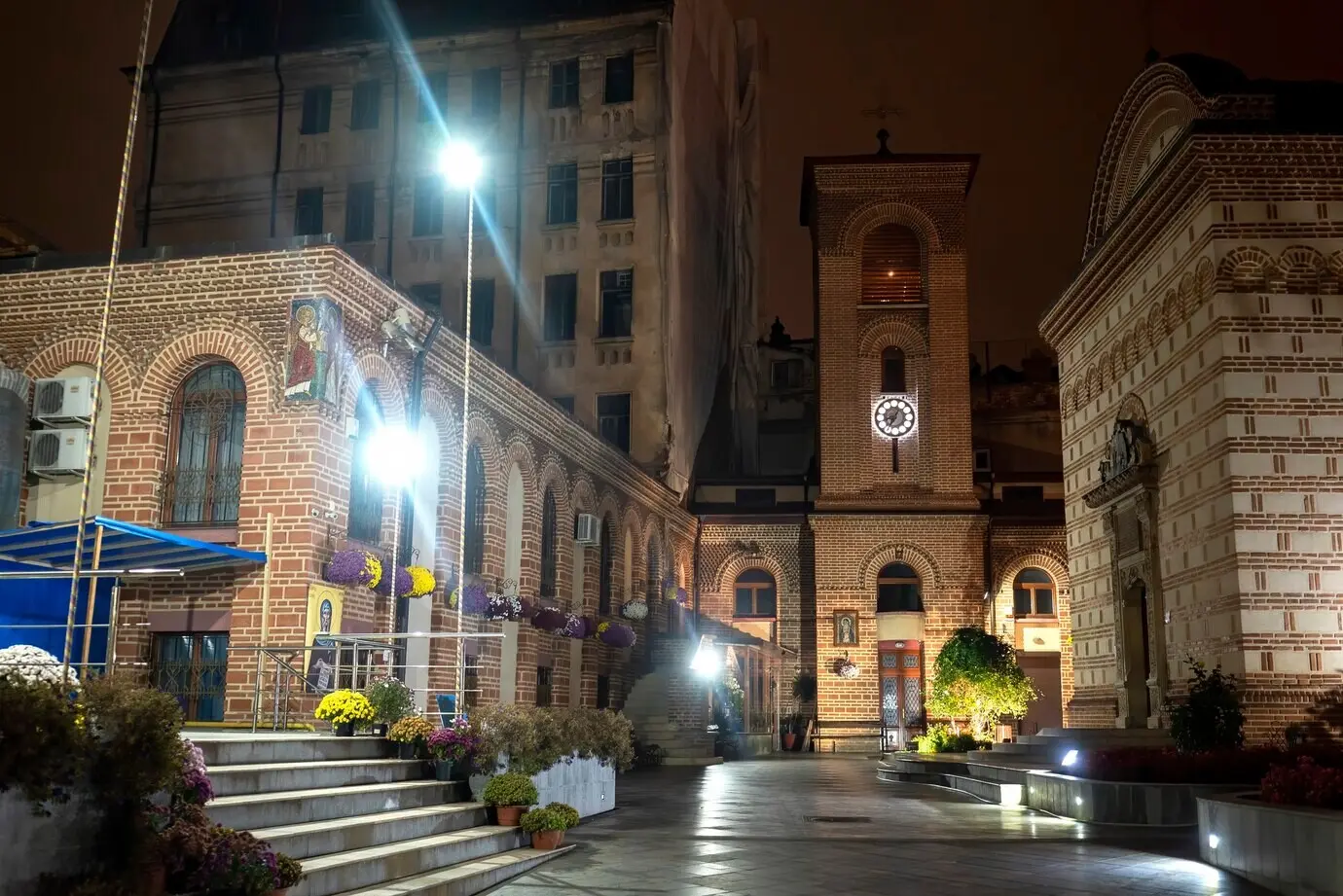
Risk, Reward, and Everyday Judgment
Every shortcut invites a judgment call: Is it open, welcoming, and safe at this hour? Contributors annotate etiquette, security presence, and alternative exits, so your decision weighs time saved against comfort, accessibility, and respect for spaces that host our quicker passage.
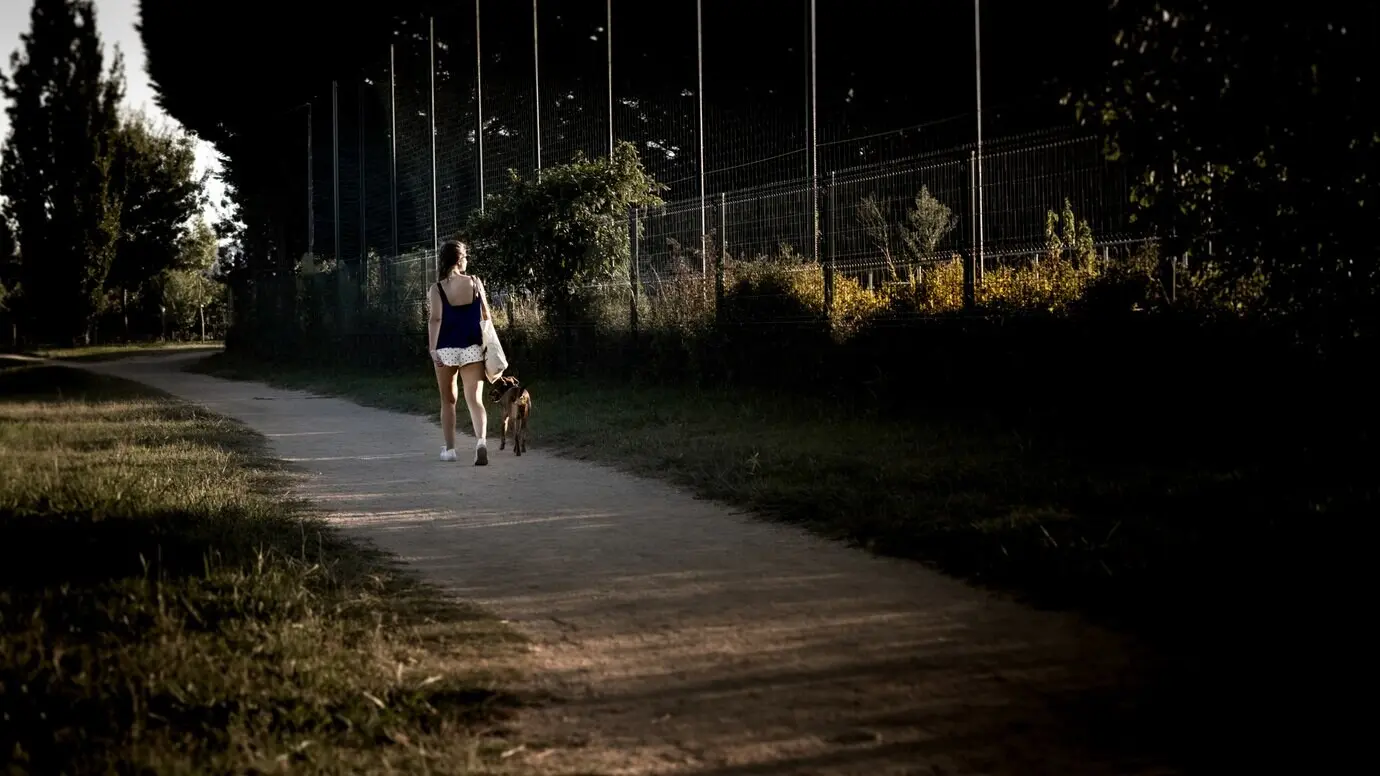
Cost Functions Beyond Pure Speed
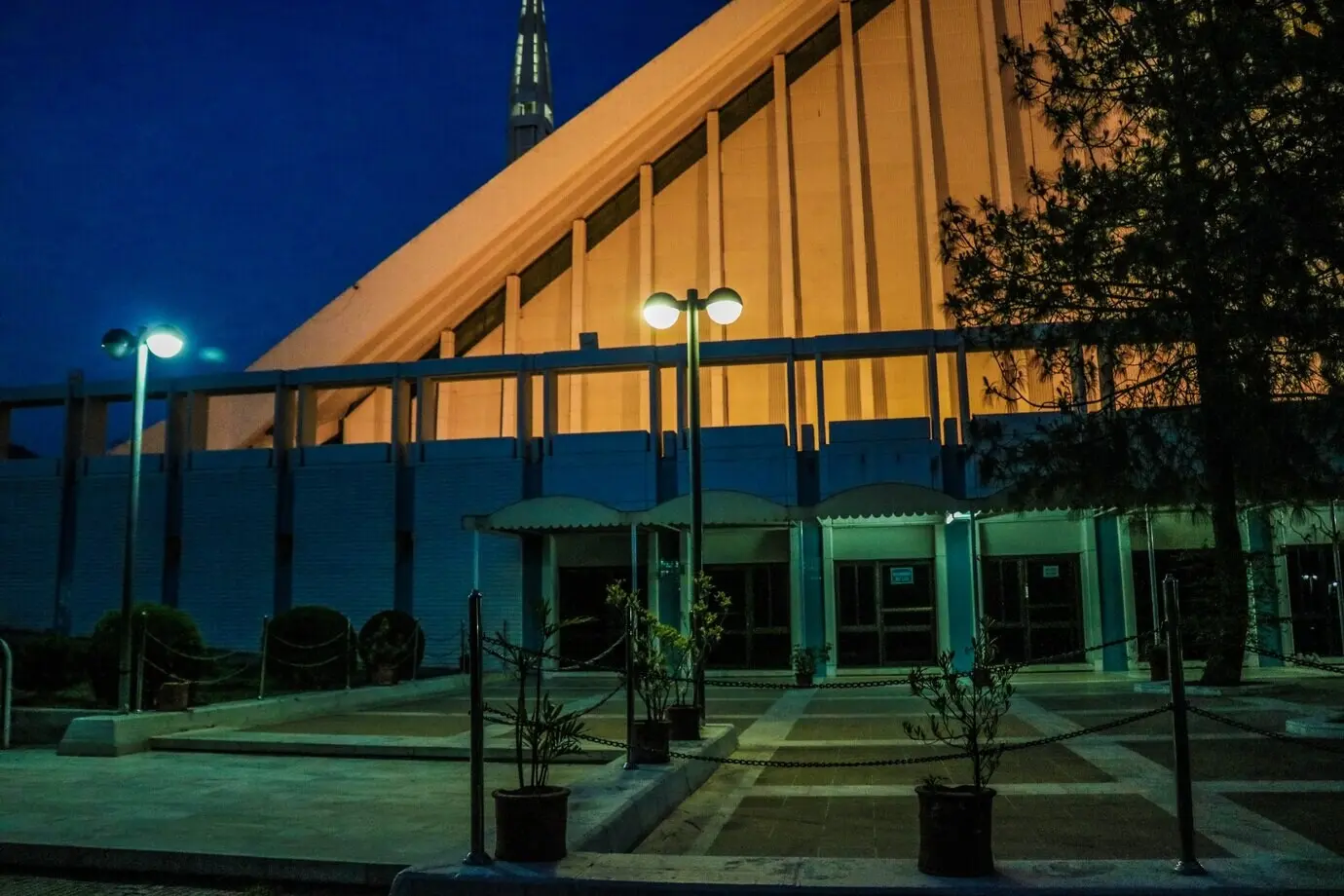
Pure speed ignores what feet feel. We tune costs with penalties for steepness, unprotected exposure in storms, dim corridors, or awkward gates, and we reward shaded paths and step‑free links. The balance reflects different profiles, from delivery riders on foot to stroller‑pushing parents.
Live Changes Without Chaos
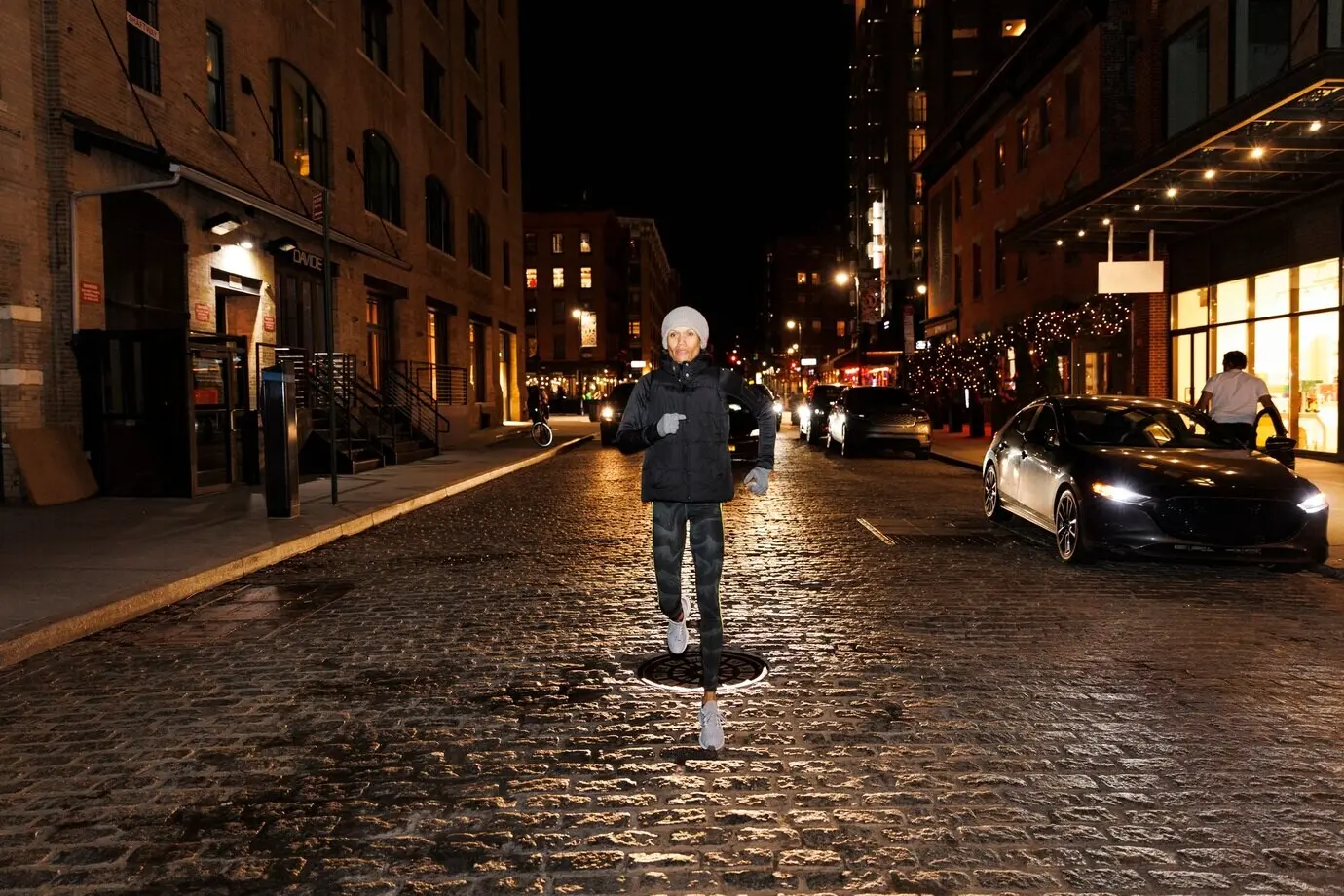
Closures happen: gates lock, festivals reroute flows, and construction blocks familiar cut‑throughs. Lightweight alerts, quick confirmation polls, and geofenced nudges update the network, so you never walk into a dead end. Routes pivot gently, explaining why, and suggest pleasant alternates nearby.
Landmarks, Micro-Cues, and Gentle AR
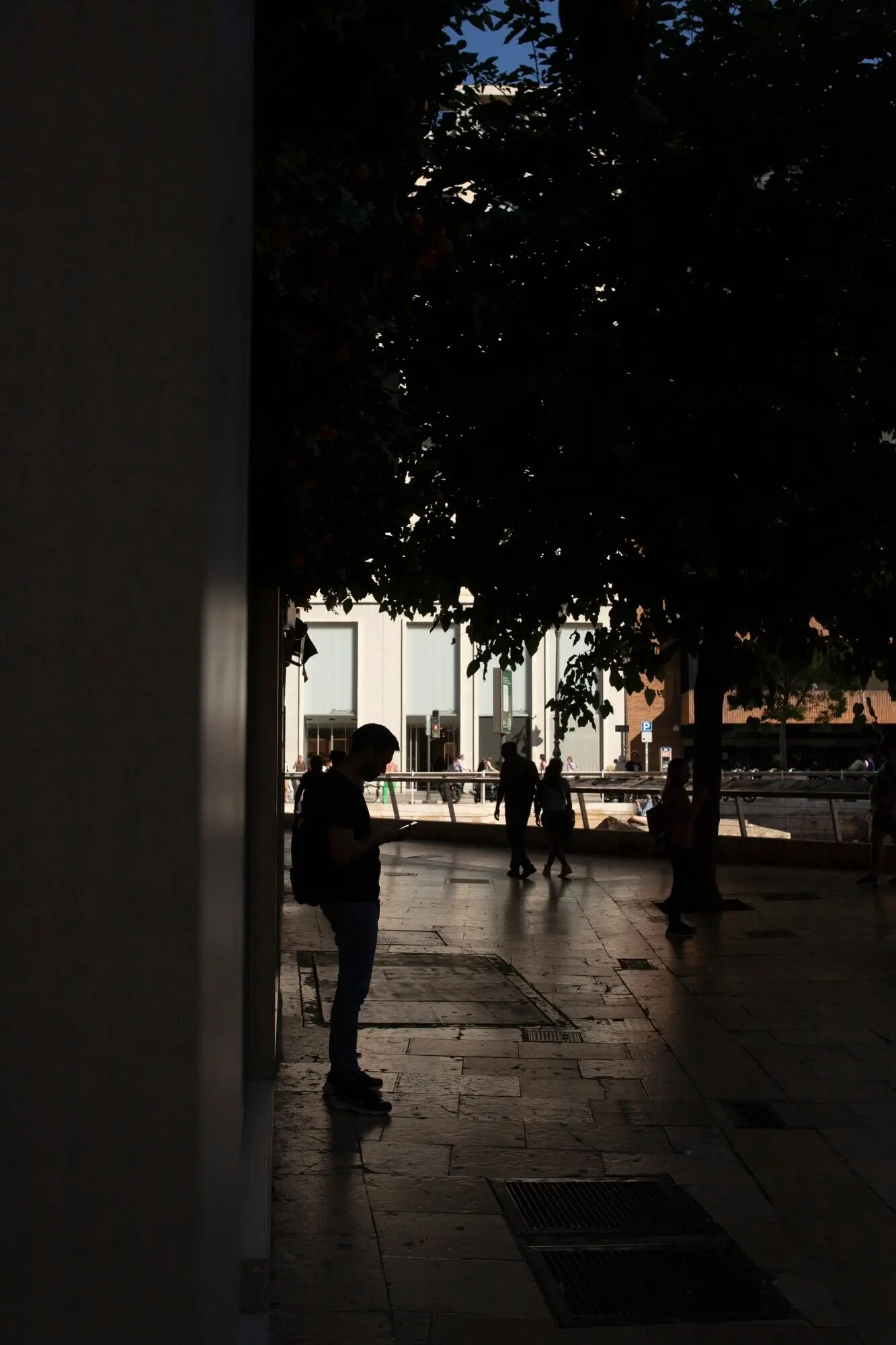
Humans prefer cues over coordinates. Directions highlight murals, kiosks, or a particular bakery smell, while subtle haptics pace turns. Where appropriate and safe, optional AR outlines a doorway or stairwell without clutter, emphasizing consent and the option to disengage instantly if distracting.