Safer Nights on the Last Mile

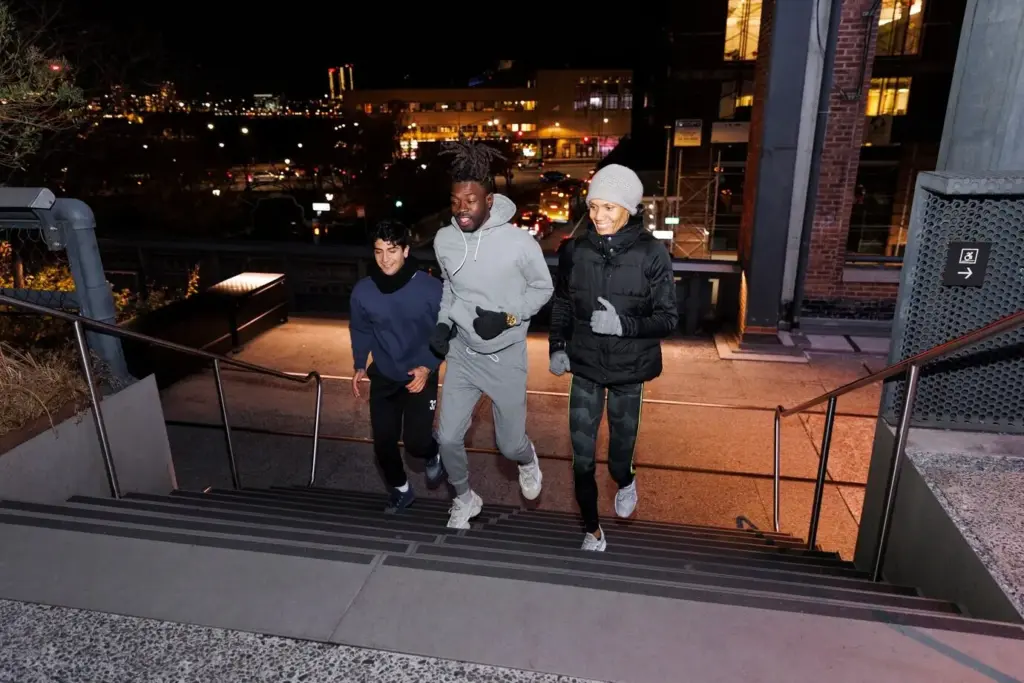
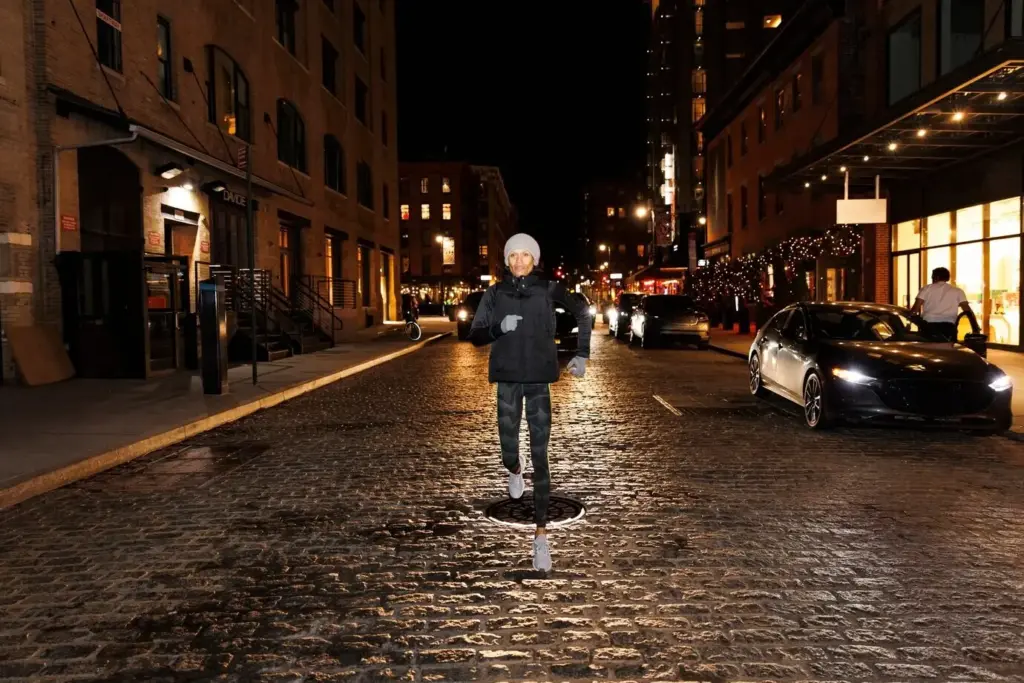
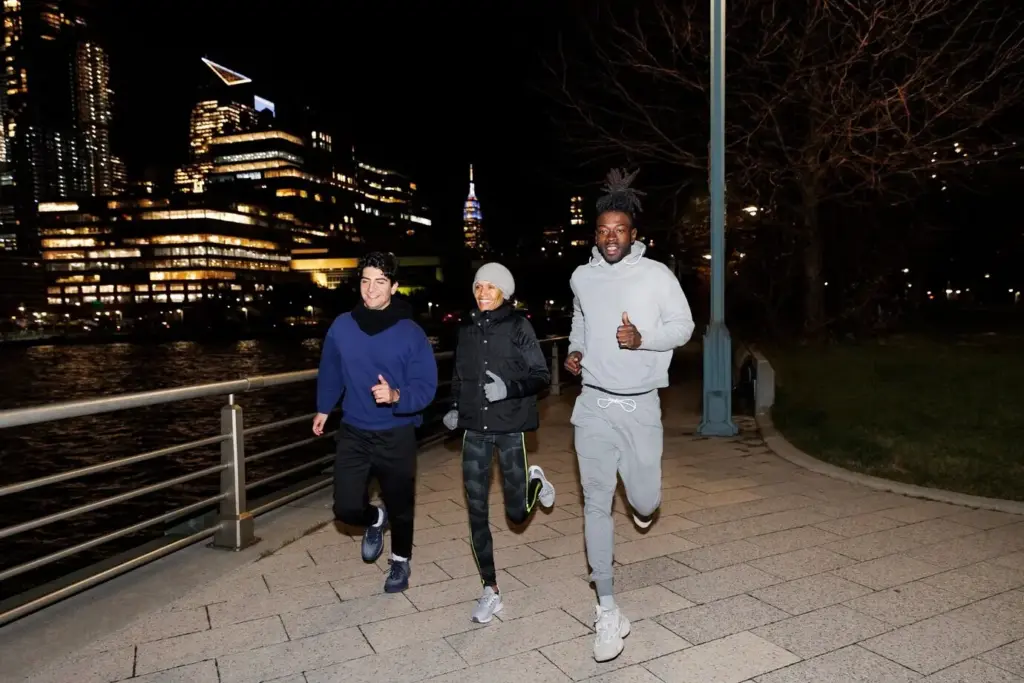
Whether you walk, cycle, or ride-share, the final stretch home can feel uncertain. This page explores nighttime safety in last-mile shortcuts, blending practical lighting choices, personal and environmental visibility, and risk-aware routing strategies that adapt to changing streets. Expect clear guidance, real stories, and actionable tips designed to make short cuts feel like smart paths, so you arrive confident, calm, and seen. Share your observations, suggest safer detours, and subscribe for ongoing, community-tested updates.

Understanding the Last Mile After Dark

Nightfall changes perception, patterns, and priorities along familiar shortcuts. Pavements lose texture, foliage hides lines of sight, and traffic speeds can subtly rise. We unpack how human vision behaves in low light, why shortcuts become alluring yet deceptive, and how simple environment cues reshape smarter, safer decisions on the closing blocks.

Streetlight Design in Human Terms

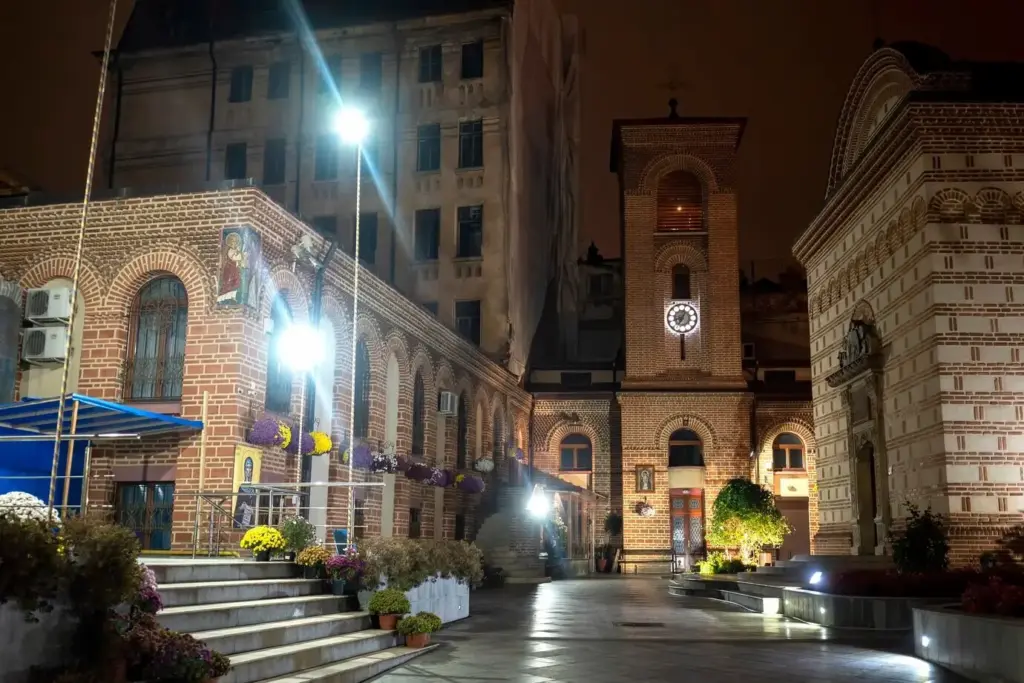
Full-cutoff luminaires limit upward spill and harsh hotspots, revealing pavement textures where ankles land and handlebars track. Balanced spacing helps eyes adapt between pools of light without jerky dilation. When cities retrofit sodium to LED, advocating warm-spectrum, shielded heads can materially improve comfort and recognition distances.

Carrying Light Without Creating Glare

A headlamp angled downward, paired with a diffused chest light or spoke-mounted LEDs, illuminates footing while signaling presence across approaches. Avoid blue-heavy beams that wash detail. Use low-medium modes for context, reserving bursts for scanning alleys, address numbers, or reading surface water depth after rain.

Neighborhood Stewardship and Fix-Requests

Quickly reporting burnt-out lamps or tree canopies eclipsing fixtures transforms entire blocks. Photograph pole IDs, submit tickets, and nudge neighbors to echo requests. Coordinated reporting shortens wait times, and even temporary stopgaps—string lights, window floods, shopfront trim—can brighten corridors while municipal crews schedule permanent replacements.
Being Seen and Seeing Others

Visibility is a conversation between you and everyone sharing the corridor. Materials, movement, and contrasts communicate intent faster than words. We explore retroreflective placement, color blocking, biomotion cues, and subtle audio signals that help drivers, cyclists, and pedestrians negotiate space peacefully, even across rain, fog, or glare.

Routing With Risk Awareness

Build a Personal Safety Index

Give each segment a quick score for light quality, line-of-sight continuity, sidewalk width, late-hour activity, and open doors you could duck into. Aggregate the score, prefer redundancy, and rehearse backups. The ritual takes seconds yet teaches judgment you can apply even without your phone.

Use Data Without Losing Intuition

Heatmaps, crowdsourced hazard pins, and transit headways offer clues, not commandments. Check timestamps and seasonal patterns, then cross-check with your senses on arrival. If gut signals disagree—quiet too quiet, group too rowdy—abort proudly. Algorithms are helpers, while your lived context remains the final, adaptive filter.

Dynamic Detours in Real Time

When a block feels off—lights flicker, a gathering grows, or a vehicle idles oddly—shift early to lit cross streets instead of pushing through. Message a friend, share live location, and narrate your turn. Small, preemptive zigzags often dissolve uncertainty before it grows teeth.

Stories, Signals, and Community Care

Safety improves fastest when people compare notes. We weave brief accounts from night-shift baristas, delivery riders, and dog walkers who rerouted wisely, reported issues, and asked for escorts when needed. Their examples demonstrate how small, shared habits uplift entire corridors and anchor predictable, respectful behavior.

The Alley That Wasn’t Worth It

A rider saved forty seconds cutting behind a shuttered market until a broken pallet speared a tire. After swapping to a well-lit frontage road, flats disappeared, deliveries ran on time, and stress faded. The clock agreed: consistency beats gambling, especially when schedules already squeeze margins.

Neighbors Who Lit the Shortcut

Two apartments overlooking a dim passage coordinated window timers and convinced a grocer to extend sign lighting. Police logs quieted, and footfall rose as hesitance fell. A handful of coordinated actions transformed a mute gap into a legible invitation, proving momentum multiplies when communities act together.

Gear, Habits, and Personal Readiness

Preparedness is portable. From battery checks and reflective accents to calm pacing and boundary-setting language, a few rituals stabilize nights when conditions wobble. We list compact items, mental rehearsals, and end-of-journey checks that collectively raise confidence, slow impulses, and keep awareness relaxed rather than clenched.
Tarisentovexomirapira
Privacy Overview

This website uses cookies so that we can provide you with the best user experience possible. Cookie information is stored in your browser and performs functions such as recognising you when you return to our website and helping our team to understand which sections of the website you find most interesting and useful.